How Property Auctions Work in Wales (and When They Win)
A plain guide to how a property auction in Wales works, the real costs and fees, and when it beats a cash sale.
Fast Track Insight · Options, honestly compared · 21 August 2026
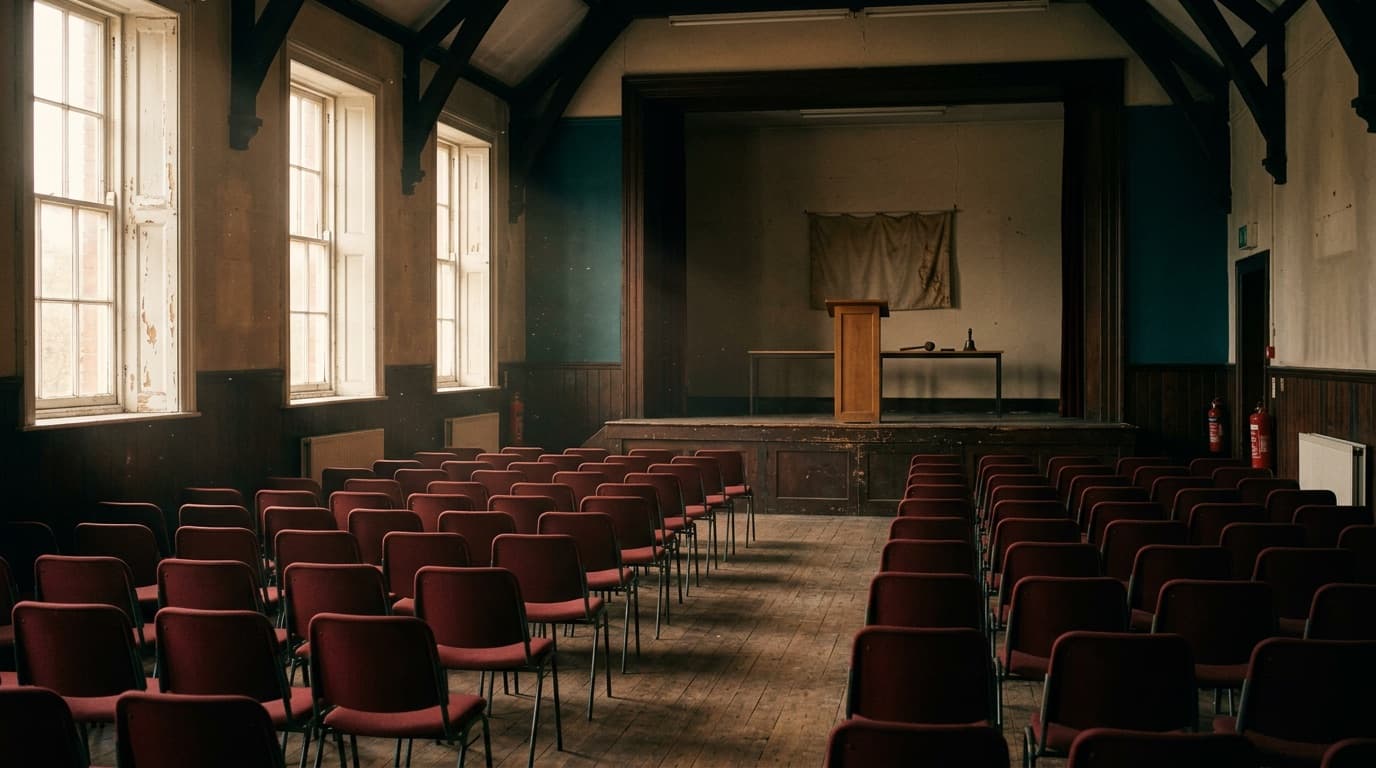
Selling at auction sounds simple: put the house in the room, the hammer falls, you get paid. In practice there is a bit more to it, and whether it is the right route for you depends on your property, your timescale and how much certainty you need.
We buy homes directly across the Valleys, so we are not neutral about this. But we would rather you chose the method that actually suits your situation, even if that is not us. Here is how a property auction in Wales really works, and where it can genuinely beat a cash sale.
The two types of auction you will come across
There is no single thing called "auction". There are two quite different models, and mixing them up costs people money.
Traditional (unconditional) auction
This is the classic version. On the day the hammer falls, contracts are exchanged there and then. The buyer pays a deposit immediately, usually around 10 per cent, and completion follows within a fixed window, commonly 28 days.
The big advantage is certainty. Once that hammer drops, the buyer is legally committed. There is no gazundering, no last minute renegotiation, no buyer pulling out because their own sale collapsed. For anyone who has been let down by a chain, that certainty is the whole point.
Modern method (conditional) auction
This is a more recent format, often run online over a period of days or weeks. The winning bidder does not exchange on the day. Instead they pay a non-refundable reservation fee and then have a longer period, often 28 days to exchange and a further 28 to complete.
The modern method opens the door to buyers who need a mortgage, which can push the price up. But it is more conditional than it first appears. Because exchange is not immediate, a buyer can still walk away, losing their fee but leaving you back at square one.
What actually happens, step by step
The process is more structured than a private treaty sale, which is part of why it can move quickly.
Before the sale
You choose an auction house and agree a reserve price. The reserve is the minimum you will accept, and it stays confidential. Alongside it there is usually a lower guide price, which is the figure used to attract interest. Guide and reserve are not the same thing, and the guide can be pitched deliberately low to draw a crowd.
Your solicitor prepares a legal pack. This includes the title documents, searches, special conditions of sale, leases if relevant, and any planning information. Serious bidders will read this closely, so the quality of the pack matters.
On the day
Bidding runs until it stops. If bidding passes your reserve, the property sells to the highest bidder and, in a traditional auction, contracts exchange immediately. If bidding does not reach the reserve, the lot is unsold, though the auctioneer may put you in touch with the top bidder afterwards to negotiate.
After the sale
Completion follows within the set period. Because the buyer is committed and the timetable is fixed, there is far less of the drift you get with an open market sale.
The costs nobody mentions at the start
Auction is not free, and the fees are not always obvious in the headline.
Entry or listing fees may be charged whether or not the property sells. Commission to the auction house is typically a percentage of the sale price. There are legal pack preparation costs. Some auction houses now shift fees onto the buyer, but that often just gets priced back into what people are willing to bid.
You may also need to accept a lower figure than a patient private sale might reach. Auction attracts a lot of cash buyers, investors and developers looking for a deal, so competitive bidding is not guaranteed on every lot.
When an auction genuinely beats a cash sale
We are cash buyers, and we will still say plainly: there are cases where auction is the stronger option.
When your property is genuinely unusual
If you own something with real scarcity value, a plot with development potential, an unusual commercial to residential conversion, or a building that several developers would compete for, an auction room can create a bidding contest that a single cash offer cannot match. Competition is where auctions earn their keep.
When you want a public, transparent process
Executors handling an estate sometimes prefer auction precisely because it is open and evidenced. Every beneficiary can see the property was offered publicly and sold to the highest bidder. If you are dealing with an inherited property and want to be seen to have got the best result for everyone, that transparency has real value.
When certainty of exchange matters more than a few weeks
A traditional auction binds the buyer at the hammer. If your worst experience has been buyers pulling out, that legal commitment can be worth a great deal.
When a cash sale tends to serve you better
Auctions have gaps that a direct sale can fill.
When the timing is out of your hands
Auctions run to a calendar. You wait for the next catalogue, the marketing period, then the sale day, then completion. That can be a couple of months from start to finish before a penny lands. If you are facing a hard deadline, for example trying to stop repossession, that timetable may simply be too slow.
When you cannot afford uncertainty on price
At auction there is no guarantee your reserve will be met. The lot can go unsold, and you are back to the beginning having already spent on fees and legal packs. A direct cash offer gives you a known figure to weigh up before you commit to anything.
When the property just needs to move quietly
Auction is public by design. If you are going through a divorce, a discreet off-market sale may suit you far better than seeing the family home in a catalogue.
Auction, private sale or cash: a quick way to decide
Ask yourself three questions.
First, how many buyers would realistically compete for this property? If the answer is "lots", auction may lift the price. If it is "a handful of investors", the competition that justifies auction may not be there.
Second, how firm is your deadline? Auctions add weeks before you see money. A cash purchase can be arranged around your timing.
Third, how much uncertainty can you carry? Auctions can fall through under the modern method or fail to meet reserve entirely.
If you want to see how the routes stack up side by side, our how we compare page lays them out, and it is worth reading our guide on how long it really takes to sell a house in South Wales before you commit to any timetable.
Get free, independent help if money is tight
If the real pressure behind your sale is debt, arrears or the threat of losing your home, please speak to someone independent before deciding anything. Shelter Cymru and Citizens Advice both offer free, confidential housing and debt advice. There may be options that do not involve selling at all, and it costs nothing to ask.
Talk it through with us
If you would like an honest view on whether auction, an open market sale or a direct cash purchase fits your situation, we are happy to talk it through with no pressure either way. We will give you a free, no-obligation offer to weigh against your other options. Reach us through our contact page or call 029 2271 6663.